Main Content
WHO ARE WE?
The Safetots.org initiative addresses the safe conduct of pediatric anesthesia. We promote the rights of the child for high quality care in the right environment!
ESPA 2026 IN MADRID

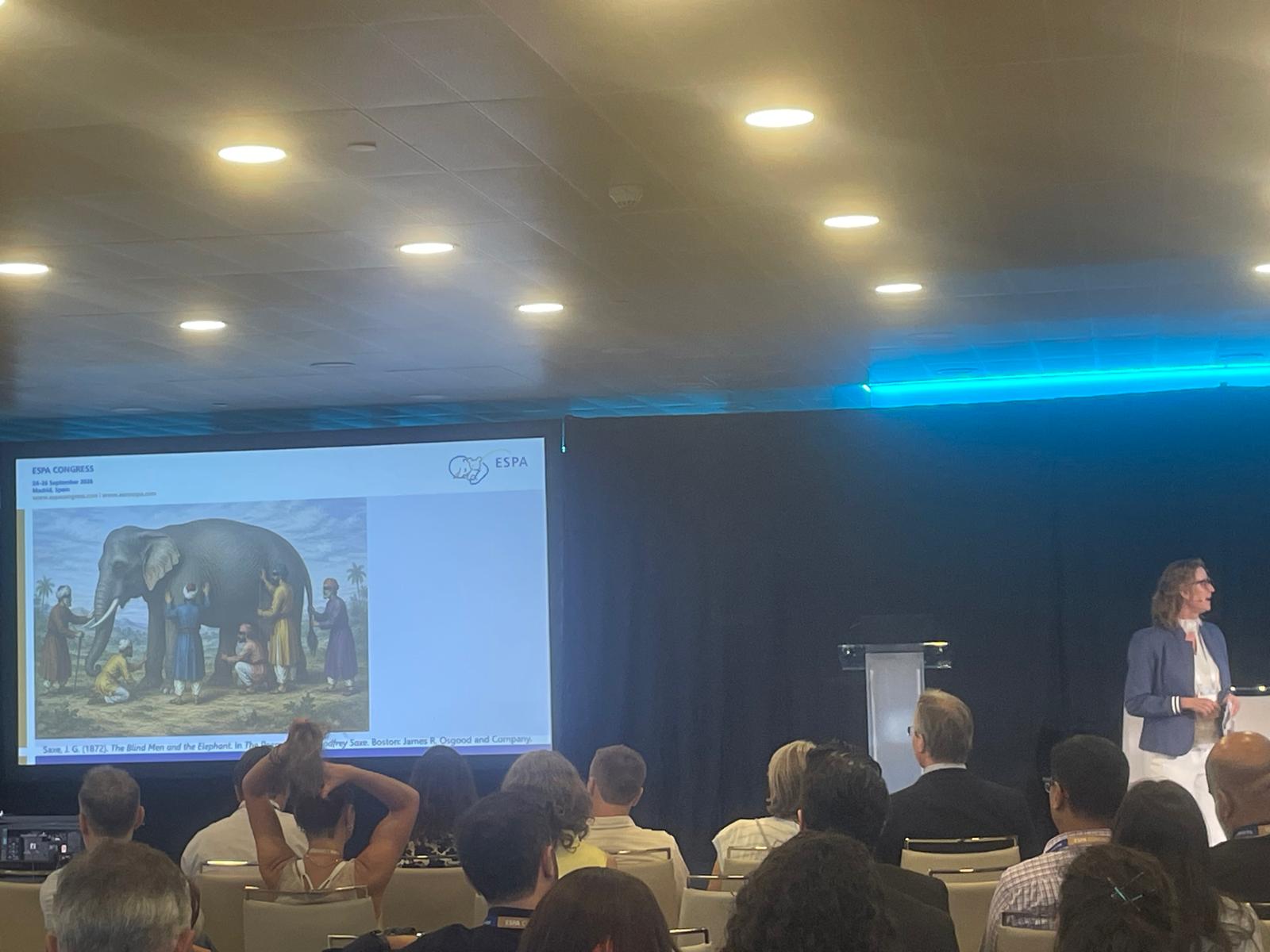

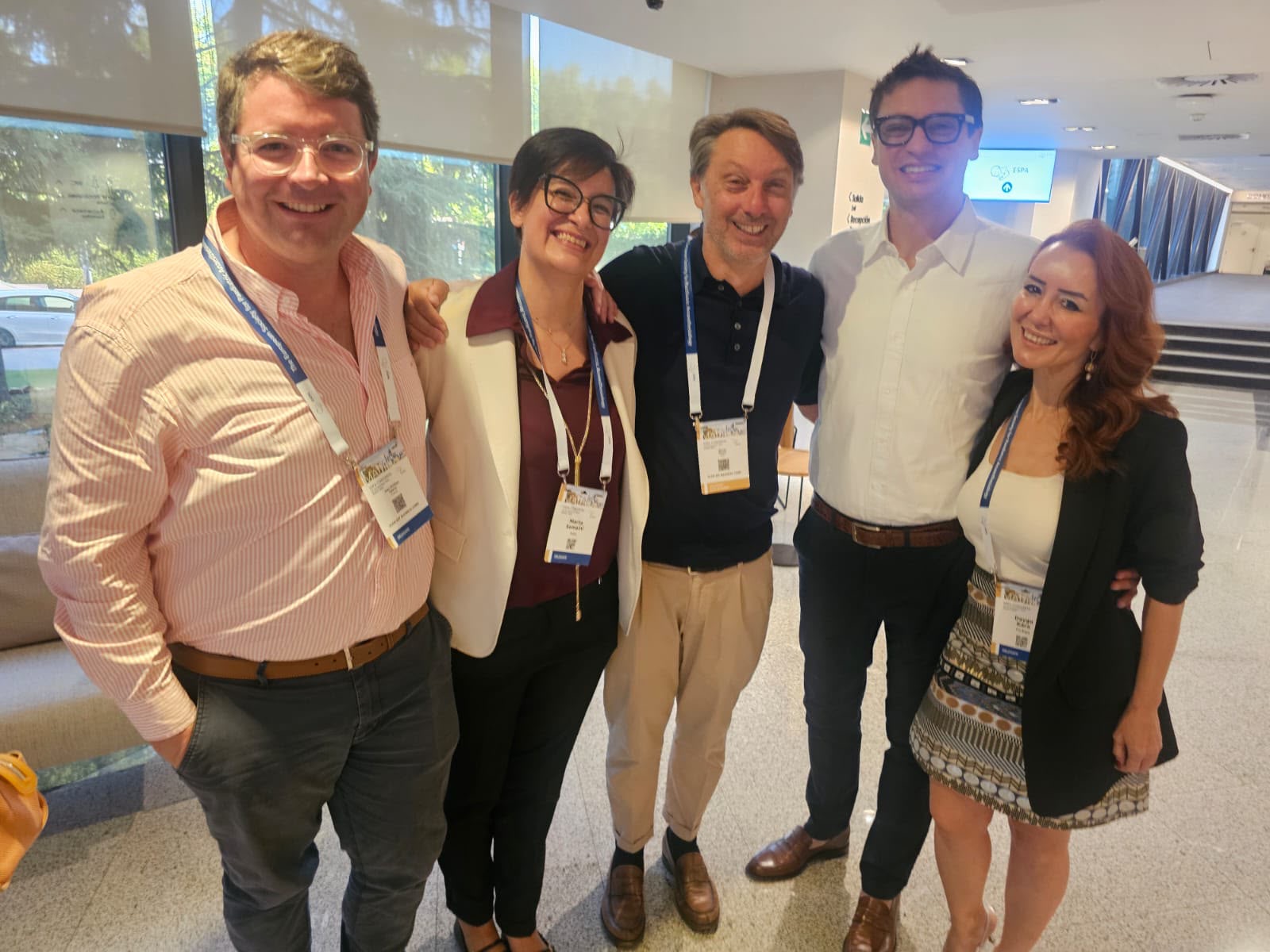

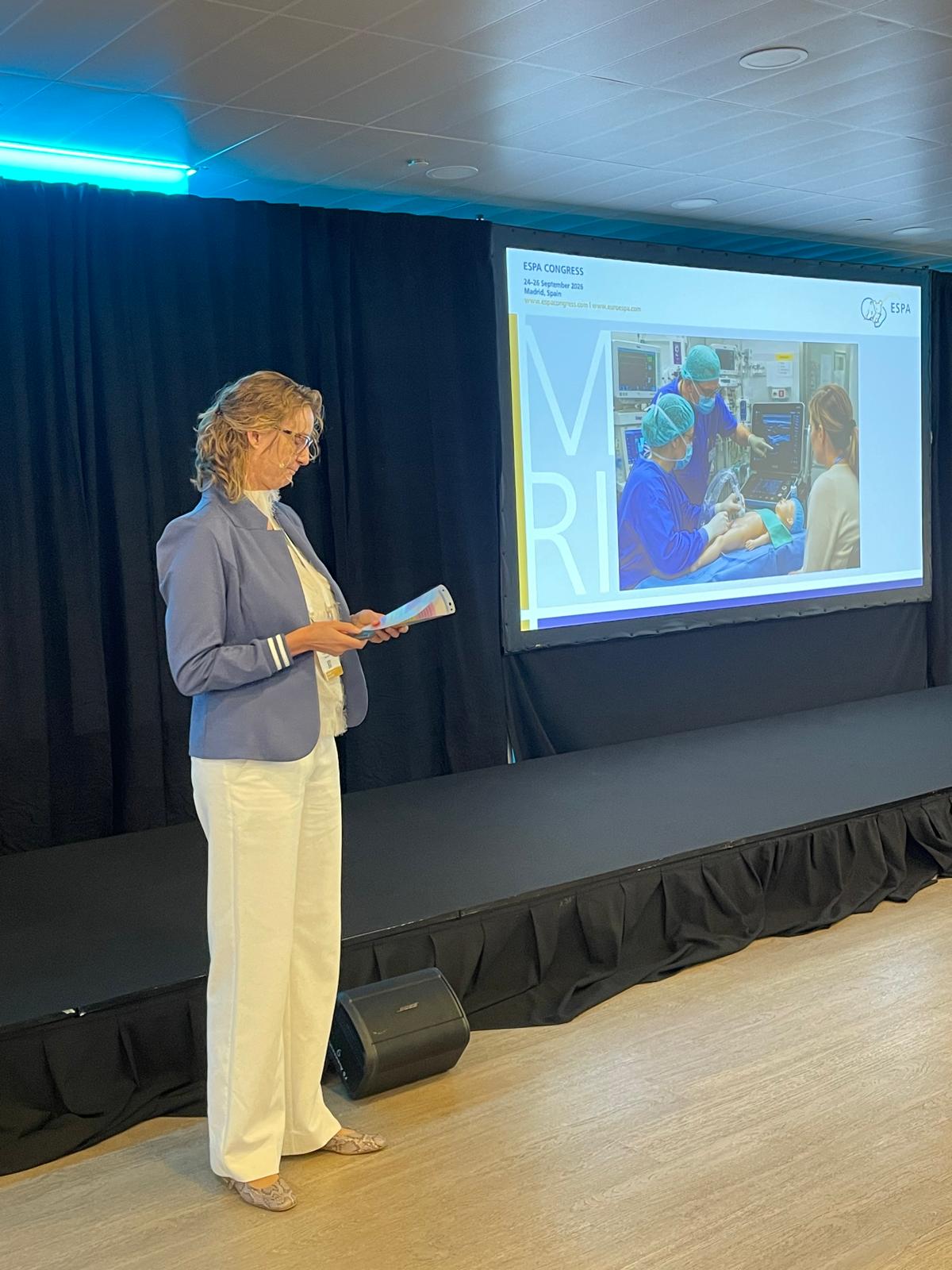

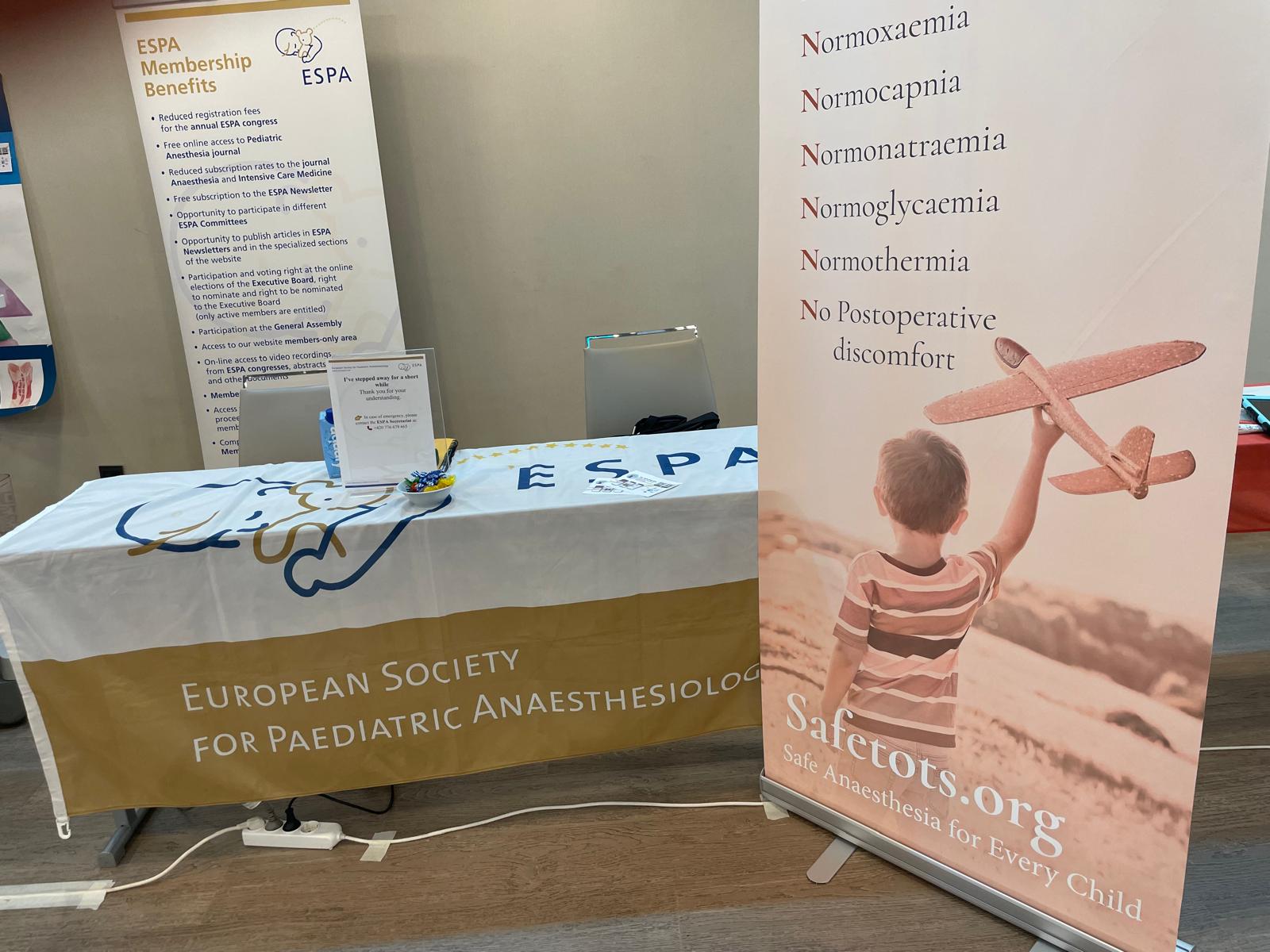
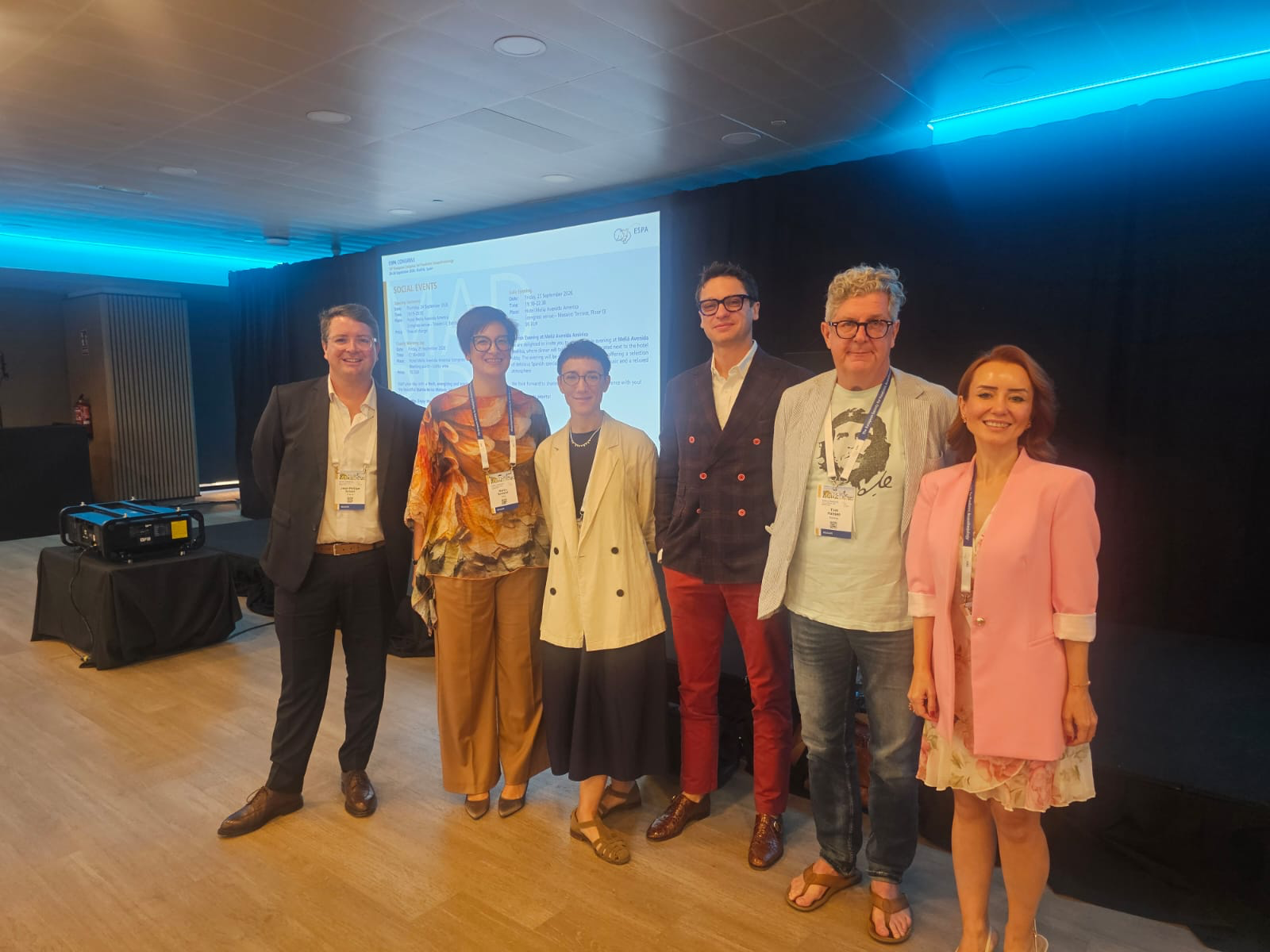

As we are wrapping up three incredible days at ESPA 2026, one thing feels especially clear: meaningful change happens when we come together around a shared purpose🌍
Safetots is built on the belief that every child, wherever they are in the world, deserves safe, high-quality anesthesia care.
Over these past few days, we have met so many people who share that belief – people willing to exchange knowledge, challenge existing practices, share their experience and ask the most important question: how can we do better for children?
We bring people together across countries, professions and institutions to share knowledge and experience and work collectively to make safe pediatric anesthesia a reality for every child.
A heartfelt thank you to everyone who took the time to connect with us, share their insights and ideas! Every conversation, every new connection and every offer to contribute reminds us why bringing this community together matters.
We leave Madrid with new connections, new ideas, and even more energy for what comes next🩺🌍 👏
Together, we can keep moving pediatric anesthesia forward – for every child, everywhere!
ARCHIVE
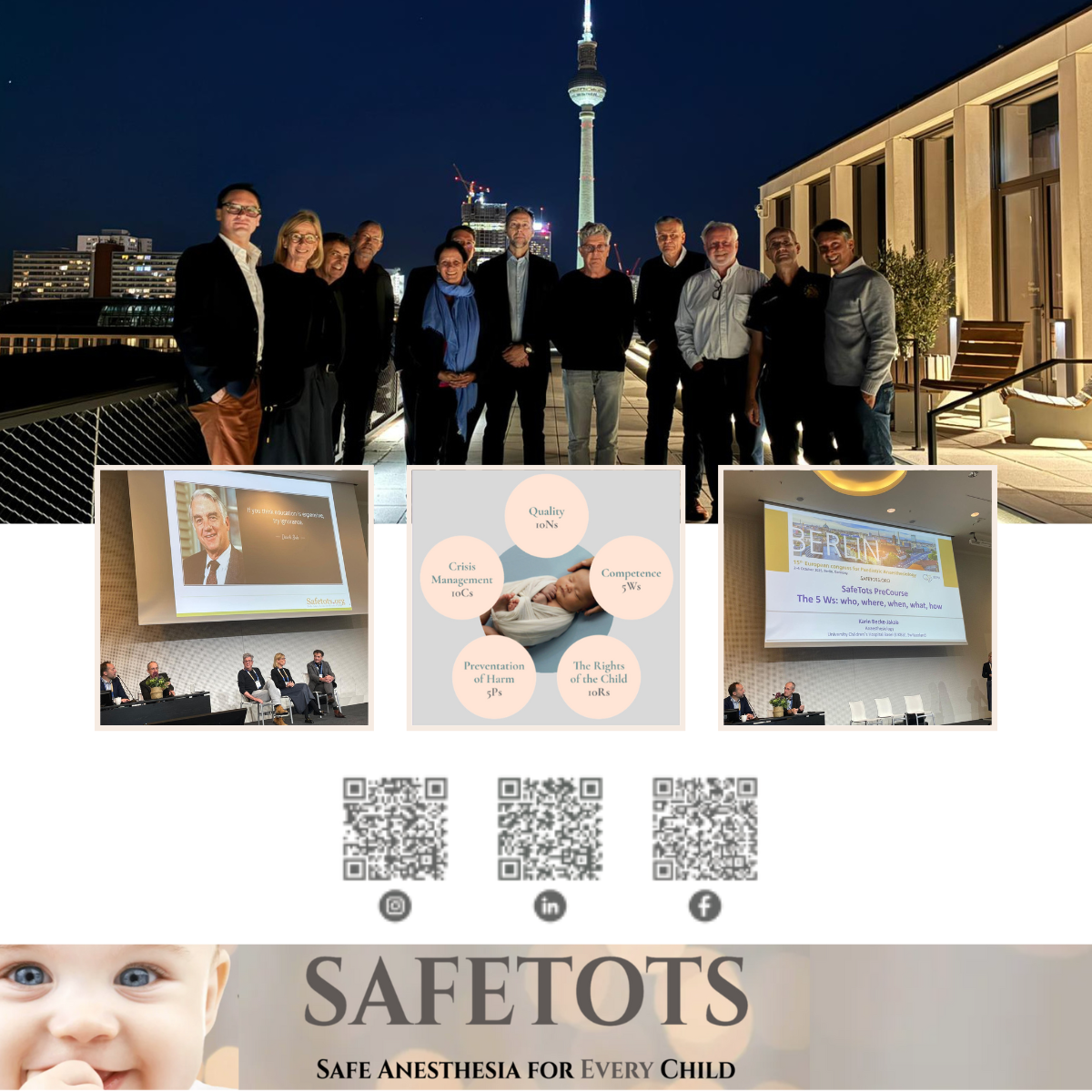
SAFETOTS AT ESPA IN BERLIN 2025!
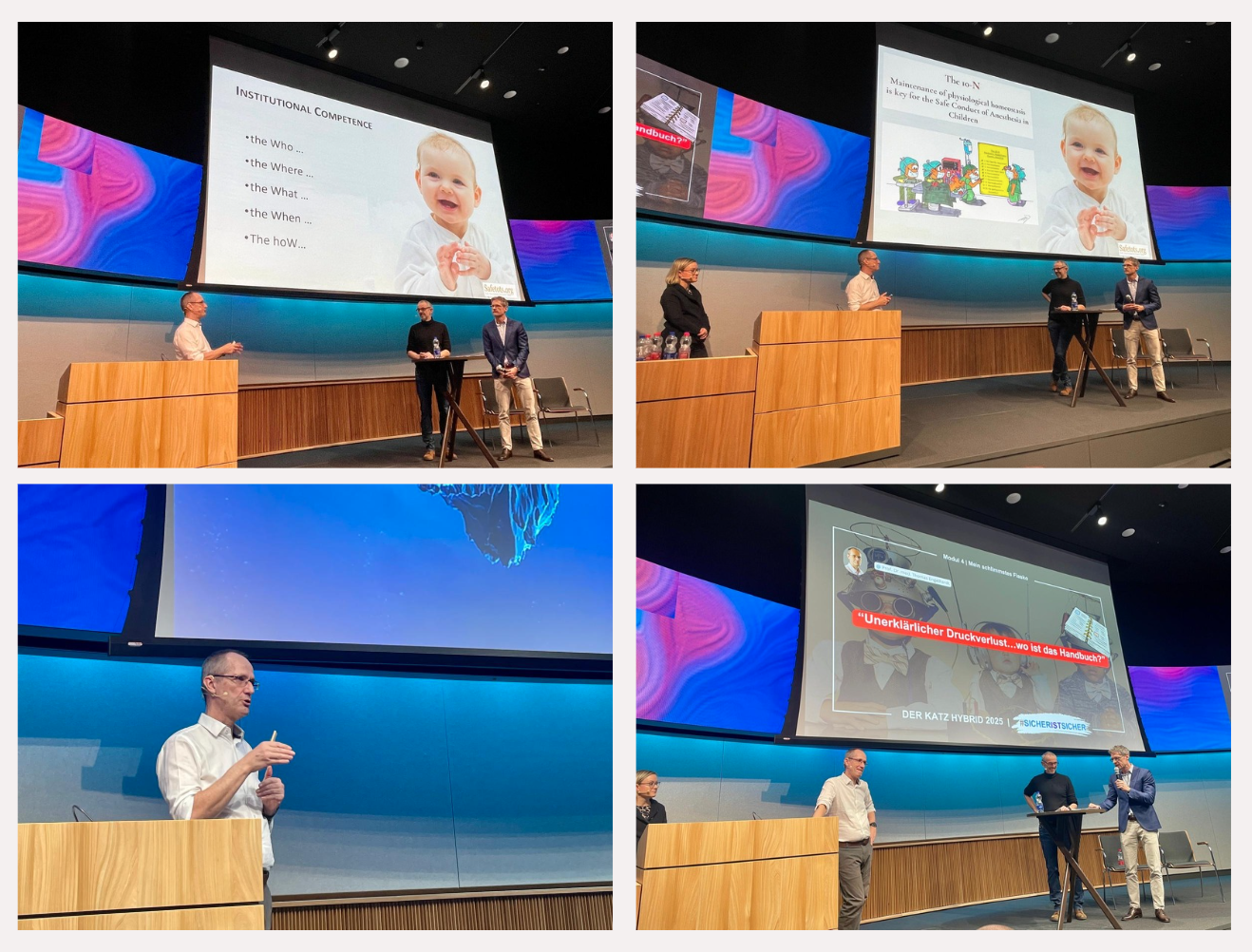
SAFETOTS AT KATZ IN ZURICH MARCH 2025!
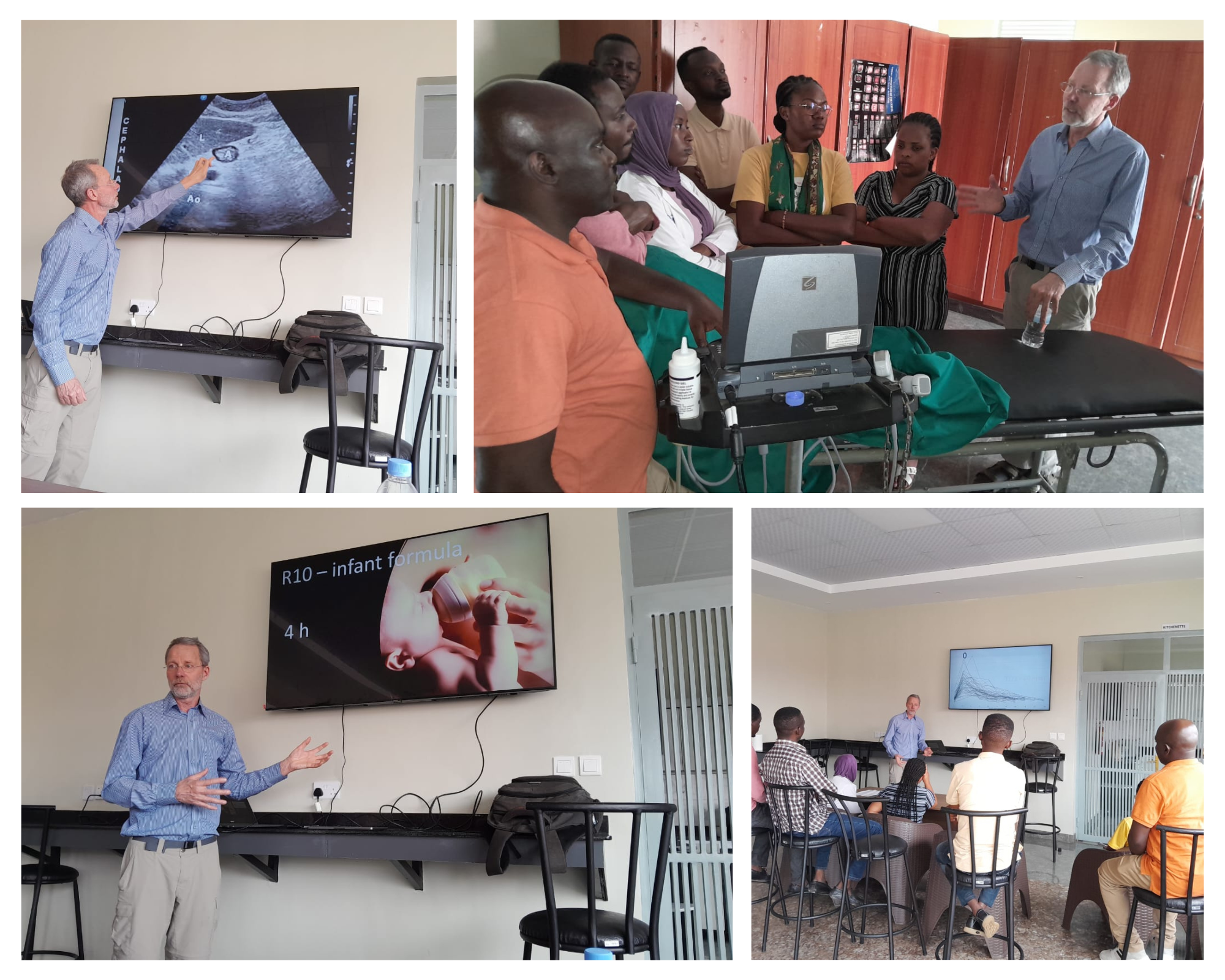
DR. FRYKHOLM TEACHING SAFETY FOR RWANDAN RESIDENTS!
SCAN THE QR CODES!
